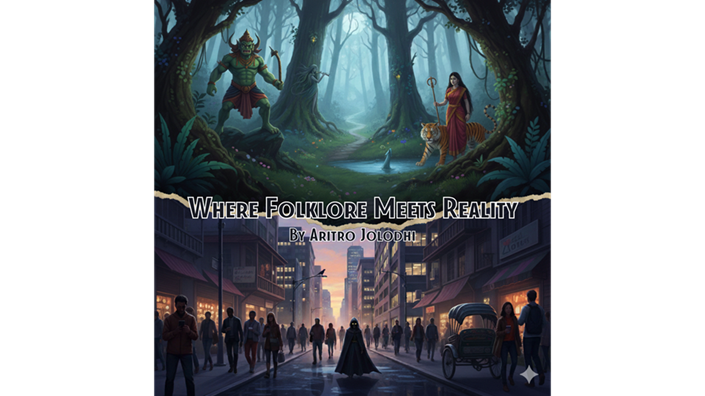
Where Folklore Meets Reality
The story begins like many others. A child lies awake at night, listening to an old tale. Maybe it is about a spirit by the river. Maybe a woman who never returned home.Maybe a rule that must never be broken after sunset.
The child grows up. The world changes. Cities rise. Phones replace letters. But the story stays quietly somewhere inside. This is where folklore meets reality.
Folklore Never Knocks. It Waits.
Folklore does not announce itself loudly. It hides inside habits, fears, and memories. It shapes how people behave without them even realizing it. Cinema understands this very well.
In “Pan’s Labyrinth” (2006), a young girl escapes a violent political reality by entering a dark fairy tale world. But the magic is not separate from reality. The creatures, rules, and trials reflect the cruelty of the real world around her. Folklore becomes a language to talk about war, power, and innocence. The story feels mythical, yet painfully real.
When Belief Becomes Behavior
Reality is not just what we see. It is also what we believe.
In “The Wailing” (2016), a small village is shaken by fear, rumor, and superstition. The film does not tell us clearly what is real and what is not. Instead, it shows how belief itself can destroy people. Folklore here is not background decoration it drives every decision. People act not because they know the truth, but because they fear the unknown. That fear is real.
Monsters Are Rare. Trauma Is Not.
Modern cinema often replaces visible monsters with invisible ones.
In “Under the Shadow” (2016), set during wartime Tehran, a mother and daughter experience a haunting presence in their apartment. The spirit comes from folklore, but it represents something deeper anxiety, loss, and suppressed fear during political chaos. The folklore does not distract from reality.It is reality, shaped differently.
Old Stories in New Cities
Folklore is not limited to villages or the past.
In “Atlantics” (2019), the spirits of drowned workers return to Dakar, not to scare people, but to demand justice. The supernatural presence is quiet, emotional, and political. Folklore becomes a voice for those who were ignored in real life. Here, the ghost is not horror.The ghost is memory.
When Reality Feels Unreal
Sometimes reality itself feels impossible to explain without myth.
In “Tumbbad” (2018), greed is shown through a cursed god from folklore. But the real horror is not the creature — it is human desire. The story feels ancient, yet the message is modern. Folklore becomes a mirror, not an escape.
Documentary: When Belief Is Real Life
Even documentaries show where folklore meets reality.
In “Häxan” (1922), real historical records about witch trials blend with folklore and reenactments. The film shows how belief systems once controlled reality, especially women’s lives. Here, folklore is not fantasy. It is social power.
Why These Stories Stay With Us
Films that live between folklore and reality stay longer in our minds because they speak emotionally before they speak logically.
They allow us to:
· Talk about trauma without naming it
· Show fear without explaining it
· Express history without textbooks
· Feel truth without facts
Folklore gives shape to emotions that reality struggles to explain.
The Story Continues
The child from the beginning grows up. They forget the story or think they do. But one night, a sound feels familiar. A shadow feels meaningful. A silence feels heavy. Folklore has not returned.It never left. Reality carries it forward, changing its face but keeping its soul. Because where folklore meets reality, stories do not end. They evolve. And cinema, quietly, keeps listening.
Aritro Jolodhi